

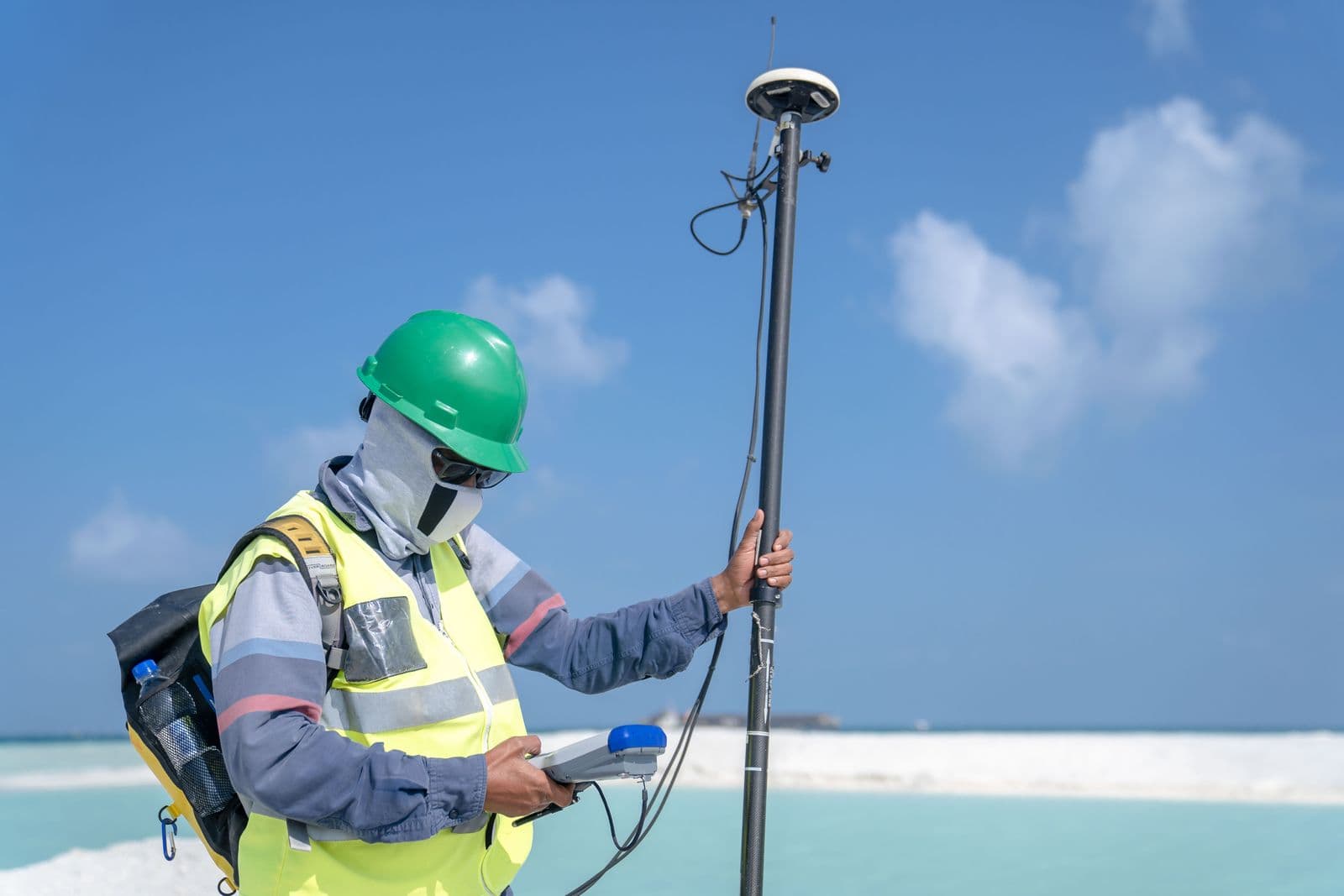
Behind every pipeline laid on the seabed, every wind turbine fixed to the ocean floor and every platform installed offshore, there is a survey engineer making sure it lands exactly where it should. It is a discipline built on precision — and one of the most durable career paths in the energy sector.
Survey engineers acquire, process and interpret spatial data so that assets are positioned, monitored and inspected with confidence. The role spans land and marine environments and increasingly sits at the centre of the renewable energy build-out.
What the role actually involves
Day to day, a survey engineer runs positioning systems, operates multibeam and side-scan sonar, manages GNSS and acoustic networks, and carries the quality control responsibility for the data a project depends on. Offshore, that often means long shifts in a survey shack, working alongside ROV pilots, party chiefs and clients.
The work rewards people who are equally comfortable with field hardware and with the software that turns raw soundings into clean, defensible deliverables.
Building expertise
Most survey engineers start with a degree in surveying, geomatics, geophysics or a related engineering field. From there, the real growth comes offshore: time on the water, exposure to different sensor spreads, and a widening record of completed campaigns.
Certifications in offshore survival (BOSIET/HUET), valid offshore medicals, and familiarity with industry standards are baseline expectations. Specialising — in positioning, bathymetry, geophysics or inspection — is how engineers raise their day rate and their employability.
Where the path leads
A capable survey engineer can progress to senior surveyor, party chief, and ultimately offshore or project management. Others move into processing, training or QA roles onshore. Because the skills transfer across oil & gas, marine construction and offshore wind, the discipline offers unusual resilience as the energy mix shifts.
For anyone weighing the field: it is demanding, but it is also one of the few technical careers where your work is, quite literally, on the map.